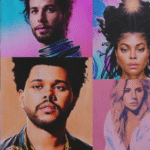





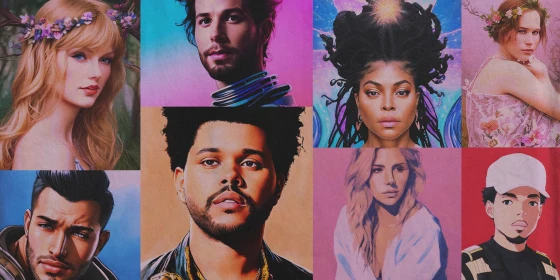
While these tools may seem harmless and entertaining, experts warn that the practice carries significant risks. AI-generated photo manipulation can blur the lines between reality and fiction, raising questions about privacy, consent, and potential misuse.
Social media platforms Https://malaka555.sg-host.com/ have seen a surge in AI-edited images, often shared for likes, laughs, or social validation. However, the widespread availability of AI image editing tools has increased the potential for harmful content, including misleading representations of both celebrities and ordinary users.
Privacy and Consent Concerns
One of the main dangers of creating AI-generated images with celebrities is the violation of privacy and consent. Celebrities have the right to control how their likeness is used, and unauthorized AI edits can lead to legal and ethical complications.
In some cases, these images can be used for malicious purposes, such as spreading false narratives, defamation, or creating misleading content for commercial gain. The lack of proper regulations around AI-generated media amplifies these risks, making it easier for users to unintentionally or intentionally create problematic content.
Psychological and Social Impacts
Beyond legal issues, AI-edited images can have psychological and social consequences. For fans, frequently seeing themselves “with” their idols may distort perceptions of reality, fostering unrealistic expectations or obsessive behaviors.
Moreover, celebrities subjected to AI-generated imagery without consent may experience reputational damage or harassment. The viral nature of social media means that such content can spread rapidly, causing long-lasting effects for both the subject and the creator.
Mitigation and Responsible Usage
To minimize risks, experts advise practicing responsible AI usage. This includes avoiding edits that misrepresent or exploit individuals, particularly public figures, and being mindful of consent and copyright laws.
Technology companies are also exploring solutions, such as AI detection tools, watermarks, and stricter content guidelines to prevent misuse. Users are encouraged to treat AI image editing as a form of creative expression rather than a tool for deception, ensuring that both ethical and legal boundaries are respected.